
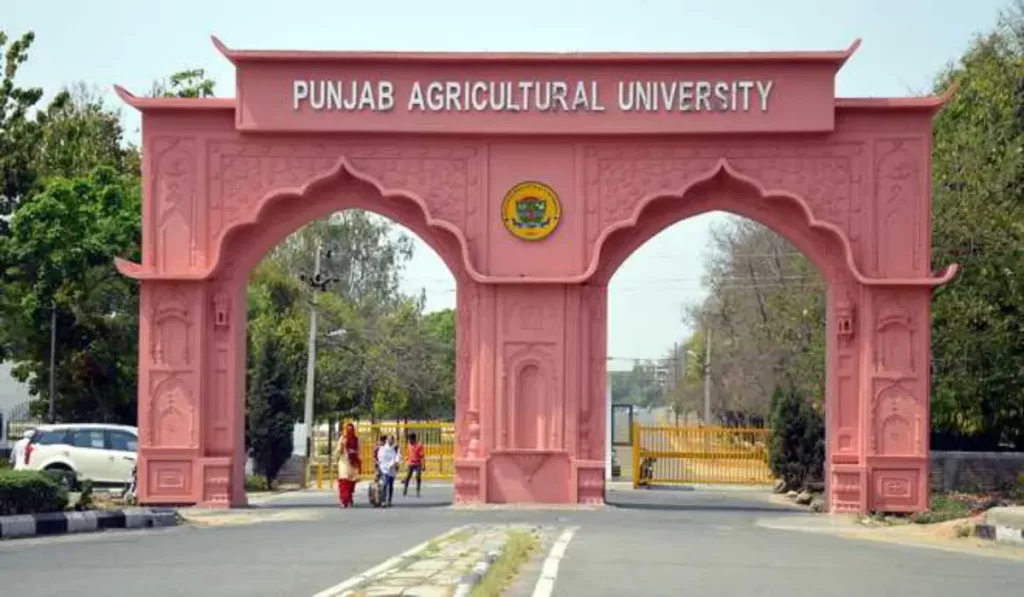
Listing Overview
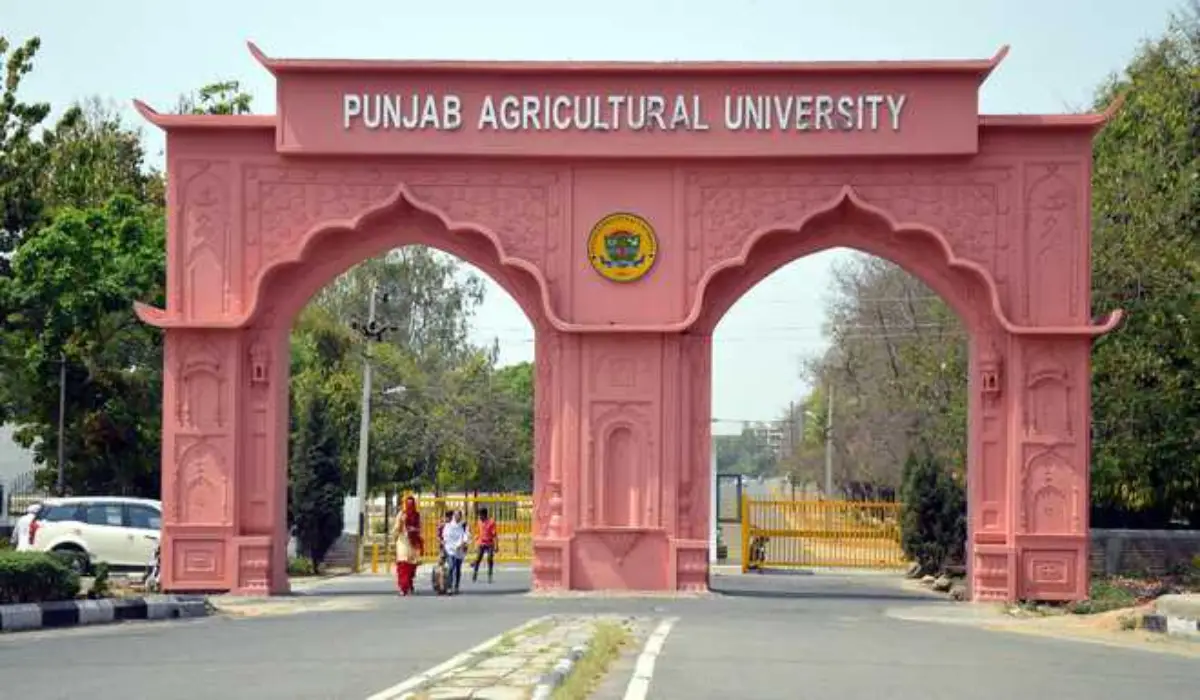
Punjab Agricultural University (PAU), located in Ludhiana, is one of India’s oldest and most prestigious agricultural universities. Established in 1962, PAU has become a leader in agricultural education, research, and extension services. This university is particularly well-regarded for its contribution to agricultural development in India.
Whether you’re looking to pursue a career in agriculture, community science, or engineering, PAU offers a wide range of programs to suit different interests. In this guide, we will walk you through the essential details about PAU courses, admissions, fees, eligibility criteria, and career prospects after graduation.
Why Choose PAU, Ludhiana?
Choosing PAU for your higher education in agriculture or related fields offers a range of benefits:
-
Global Recognition: PAU is known for its research in agriculture and its contributions to national agricultural policies.
-
Industry Connections: PAU has strong ties with government agencies, global research bodies, and agricultural industries, giving students real-world exposure.
-
Career Growth: PAU graduates are highly sought after by top agricultural firms, research institutes, and international organizations.
Here’s why PAU could be your top choice:
-
Research Excellence: PAU plays a key role in agricultural innovation and sustainability in India.
-
Diverse Programs: Whether you want to become a farm manager, a scientist, or work in agricultural engineering, PAU provides the courses that align with your career goals.
-
High Placement Rate: PAU’s alumni have secured jobs in leading agricultural firms, government agencies, and academic institutions.
Courses Offered at PAU, Ludhiana
PAU offers a wide variety of courses at the undergraduate, postgraduate, and doctoral levels. These programs are designed to equip students with the skills and knowledge required to excel in the agricultural and allied sectors.
1. Undergraduate (UG) Courses
PAU offers numerous undergraduate programs that prepare students for careers in agriculture, engineering, and community science. Some of the most popular UG courses at PAU include:
-
B.Sc. (Hons) Agriculture: This program covers agricultural sciences, crop management, soil science, and farm operations.
-
B.Tech. (Agricultural Engineering): Students learn about farm machinery, soil and water conservation, and agricultural technology.
-
B.Sc. (Hons) Horticulture: Specializes in growing and managing fruits, vegetables, and ornamental plants.
-
B.Sc. (Hons) Community Science: (Formerly Home Science) Includes subjects like nutrition, food science, family resource management, and textiles.
-
B.Sc. (Hons) Agribusiness Management: Prepares students for managerial roles in the agricultural sector.
-
B.Tech. (Food Technology): Deals with food processing, preservation, and safety.
-
B.Tech. (Biotechnology): Focuses on the biological and technological aspects of agriculture.
Note: For Veterinary Science courses, students should apply to Guru Angad Dev Veterinary and Animal Sciences University (GADVASU), which is a separate university located nearby.
2. Postgraduate (PG) Courses
For students interested in advanced study and specialization, PAU offers Master’s programs in a variety of agricultural and related fields:
-
M.Sc. (Agronomy): Focuses on the science of crop production and soil management.
-
M.Sc. (Soil Science): Deals with soil fertility, conservation, and plant nutrition.
-
M.Sc. (Food Technology): Specializes in food manufacturing, quality control, and packaging.
-
M.Sc. (Entomology): Focuses on insects and their impact on crops and livestock.
-
M.Tech. (Agricultural Engineering): Specializes in the development of new agricultural machinery and technologies.
-
MBA (Agribusiness Management): Combines business administration and agricultural sciences for students interested in agribusiness roles.
3. Doctoral (Ph.D.) Programs
For students interested in research and academic careers, PAU offers Ph.D. programs in various fields of agricultural sciences:
-
Ph.D. in Agricultural Sciences: Includes specializations in crop production, soil science, genetics, and more.
-
Ph.D. in Agricultural Economics: Aims at developing strategies for economic development in agriculture.
Eligibility Criteria for PAU Admissions
Undergraduate Courses
To apply for undergraduate programs at PAU, candidates must meet the following eligibility criteria:
-
Age: Candidates should be between 17 to 23 years old.
-
Academic Qualification: A minimum of 50% marks in 12th grade (for most courses). Students from Science streams are generally preferred.
-
Entrance Exam: Admission is through PAU-CET (Common Entrance Test) for most UG courses.
Postgraduate Courses
-
Age: There is no specific age limit for PG courses.
-
Academic Qualification: A relevant undergraduate degree with at least 60% marks.
-
Entrance Exam: Admission is based on PAU-MET (Master’s Entrance Test).
Ph.D. Programs
-
Age: No specific age limit.
-
Academic Qualification: A Master’s degree with a minimum of 60% marks.
-
Entrance Exam: PAU conducts an entrance test followed by an interview for doctoral admissions.
Admission Process at Punjab Agricultural University (PAU) Ludhiana
PAU follows a straightforward admission process:
-
Online Application: Fill out the online application form on the PAU admissions portal.
-
Entrance Exam: Take the PAU-CET or PAU-MET depending on the course you are applying for.
-
Merit List: PAU releases a merit list based on entrance exam scores and previous academic performance.
-
Counseling: Selected candidates will be invited for counseling and seat allocation.
Admission notifications are typically released between May and July each year.
PAU Ranking and Recognition
PAU is consistently ranked among the top agricultural universities in India. In the NIRF 2024 Rankings, PAU was recognized as the 3rd best university in the “Agriculture and Allied Sectors” category nationwide. It is also globally acknowledged for its research initiatives and contributions to agricultural policy development.
Fee Structure at Punjab Agricultural University (PAU) in Ludhiana
The fee structure at PAU varies significantly depending on whether you secure a “Normal” (state-subsidized) seat or apply for a “Self-Supporting” program.
Comparative Fee Table (Estimated per Academic Year):
| Course Type | Seat Category | Approx. 1st Year Fee | Subsequent Years (Approx.) |
| B.Sc. (Hons) Agriculture | Normal Seat | ₹86,000 | ₹52,000 |
| B.Tech (Agri. Engg) | Normal Seat | ₹99,000 | ₹65,000 |
| B.Tech (Food Tech) | Self-Supporting | ₹2.17 Lakh | ₹1.83 Lakh |
| B.Tech (Biotechnology) | Self-Supporting | ₹2.17 Lakh | ₹1.83 Lakh |
| M.Sc. Programs | Normal Seat | ₹94,000 | ₹60,000 |
Note: The “Self-Supporting” fee is higher because it is not subsidized by the state government. Fees typically increase by a small percentage annually.
Career Opportunities After PAU
Graduates from PAU find employment in a variety of fields, including agriculture, biotechnology, food production, and research. Some popular career paths include:
-
Agriculture Scientist: Work in research or agricultural policy development.
-
Farm Manager: Oversee farm operations and improve agricultural productivity.
-
Agribusiness Specialist: Manage agricultural businesses, from farming to processing and distribution.
-
Food Processing Expert: Focus on food safety, packaging, and distribution.
-
Agricultural Engineer: Design and implement technologies for sustainable farming practices.
Conclusion
Punjab Agricultural University (PAU) is an excellent choice for students interested in pursuing a career in agriculture, community science, or agribusiness. With a strong academic foundation, extensive research opportunities, and high placement rates, PAU provides everything you need to succeed in the agricultural sector. Ensure you stay updated on admission deadlines, eligibility requirements, and fees to make the most of your educational journey at PAU.
Frequently Asked Questions (FAQs)
1. What are the best courses at PAU Ludhiana?
The best courses at PAU Ludhiana include B.Sc. (Hons) Agriculture, B.Tech. Agricultural Engineering, M.Sc. Agriculture, and Ph.D. in Agricultural Sciences. These programs offer comprehensive education and excellent career prospects.
2. How much is the fee for PAU undergraduate courses?
The fee for normal undergraduate seats at PAU ranges between ₹50,000 to ₹70,000 per year, though self-supporting courses can be higher (up to ₹2.5 Lakh per year).
3. What is the eligibility for the M.Sc. Agriculture program at PAU?
To apply for M.Sc. Agriculture at PAU, candidates must have a B.Sc. Agriculture degree with at least 60% marks. Admission is through the PAU-MET entrance exam.
4. How can I apply for admission to PAU?
You can apply for PAU admissions through the official PAU admissions portal. After filling out the online application, you’ll need to appear for the PAU-CET or PAU-MET entrance exams, depending on the course.
5. Is PAU recognized internationally?
Yes, PAU Ludhiana is recognized globally for its research and contributions to the agricultural sector. It collaborates with international universities and research bodies.
6. What are the career prospects after completing an MBA in Agribusiness Management from PAU?
After completing an MBA in Agribusiness Management, graduates can work in agri-business management, food marketing, supply chain management, or policy advisory roles in agricultural firms and government agencies.
Disclaimer: The information provided in this guide is based on the latest available data (Academic Year 2024-25) and is for general informational purposes only. University fees, admission criteria, and seat availability are subject to change annually. Students are strongly advised to consult the official PAU Prospectus or visit the university’s official website (pau.edu) for the most current and authoritative information before applying.
